Burnout in 2026 is best understood as a pressure pattern: work demands, AI-generated overload, social media fatigue, and too little real recovery stack together until attention feels exhausted.
This article was refreshed on May 21, 2026, as part of a Human Univer site-wide content refresh focused on human health, mental wellbeing, and technology habits.
Burnout in 2026 is best understood as a pressure pattern: work demands, AI-generated overload, social media fatigue, and too little real recovery stack together until attention feels exhausted.
WHO describes burnout as an occupational phenomenon, not a medical condition. That matters because burnout language can help people name chronic work stress, but persistent distress still deserves qualified support. Source: WHO.
Why burnout feels different now
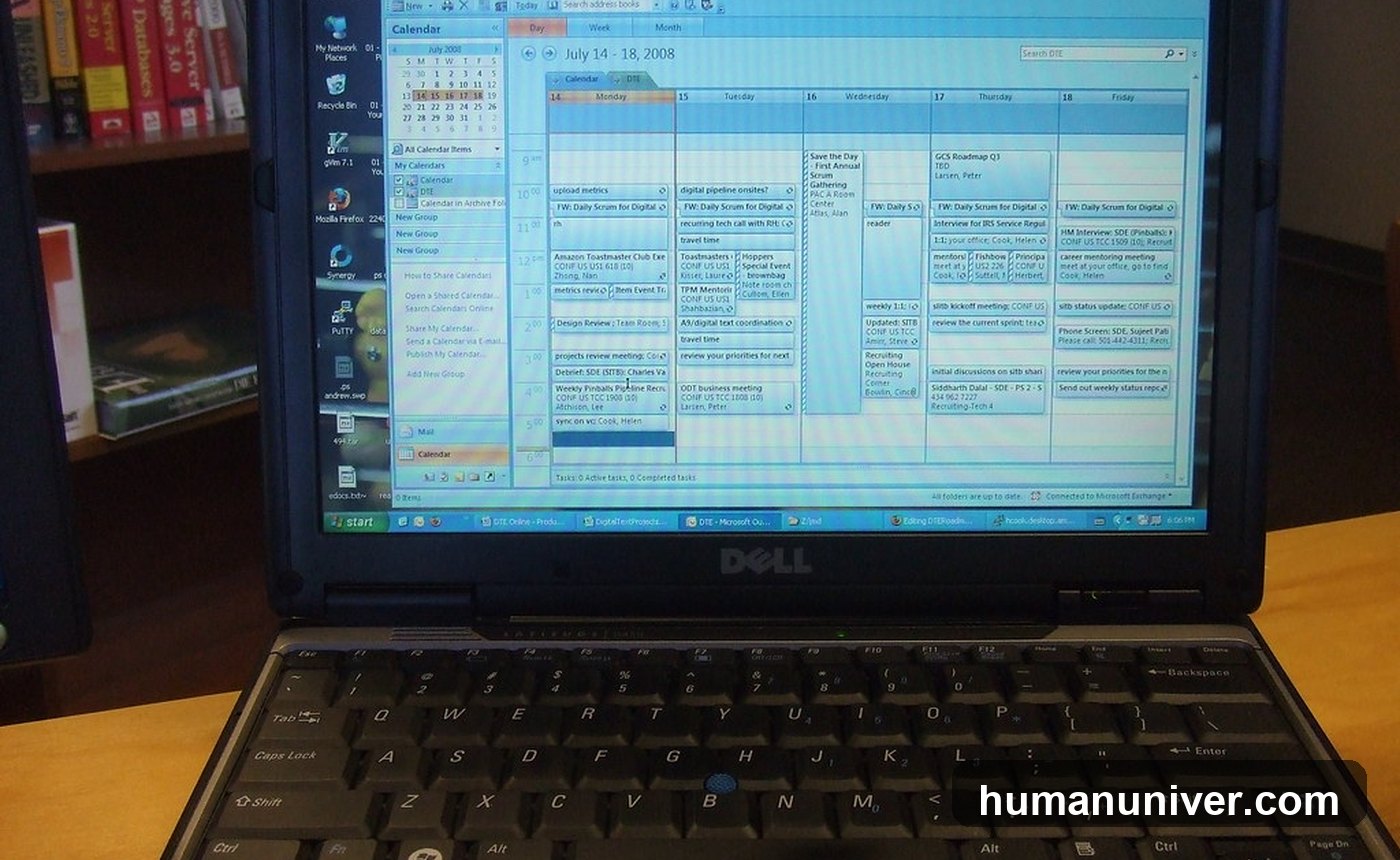
The modern burnout loop is not only long hours. It is long hours plus a stream of tools, alerts, chats, feeds, dashboards, and decisions. AI can reduce effort in one task while adding new review work, more options, and a sense that output should always be faster.
The practical test is simple: does this habit give energy back to the day, or does it quietly spend more attention? If it gives energy back, keep it small and repeatable. If it spends attention, reduce the friction around stopping.
A human routine is allowed to be imperfect. The goal is not to look optimized. The goal is to make ordinary days less reactive and easier to recover from.
The attention layer
A person can leave work and still remain mentally inside work if messages, feeds, and productivity tools keep tugging at the same attention system. That is why recovery has to include both workload boundaries and digital boundaries.
The practical test is simple: does this habit give energy back to the day, or does it quietly spend more attention? If it gives energy back, keep it small and repeatable. If it spends attention, reduce the friction around stopping.
A human routine is allowed to be imperfect. The goal is not to look optimized. The goal is to make ordinary days less reactive and easier to recover from.
What helps first
The first useful change is usually subtraction: one fewer notification channel, one protected focus block, one real break without scrolling, and one clear stop point for AI-assisted work.
The practical test is simple: does this habit give energy back to the day, or does it quietly spend more attention? If it gives energy back, keep it small and repeatable. If it spends attention, reduce the friction around stopping.
A human routine is allowed to be imperfect. The goal is not to look optimized. The goal is to make ordinary days less reactive and easier to recover from.
When burnout needs more than habits
If exhaustion comes with persistent low mood, panic, unsafe thoughts, or inability to function, habits are not enough. Digital boundaries can support recovery, but they do not replace professional help.
The practical test is simple: does this habit give energy back to the day, or does it quietly spend more attention? If it gives energy back, keep it small and repeatable. If it spends attention, reduce the friction around stopping.
A human routine is allowed to be imperfect. The goal is not to look optimized. The goal is to make ordinary days less reactive and easier to recover from.
| Area | Signal | Better next step |
|---|---|---|
| AI overload | Too many generated options | Use AI for defined tasks |
| Feed fatigue | Comparison and outrage | Set feed windows |
| Always-on work | No real stop point | Protect evenings |
| Recovery debt | Rest is still stimulating | Choose low-input recovery |
Refresh framework
Name the pattern
Remove one trigger
Add low-input rest
Keep what helped
Internal reading path
- Use Social Media Burnout when feeds are the main drain.
- Use A 7-Day Digital Reset Plan when the whole phone routine needs boundaries.
- Use AI Health Advice Online before relying on chatbots for health-related questions.
FAQ
Is burnout a diagnosis?
WHO frames burnout as an occupational phenomenon. A clinician can help when symptoms overlap with anxiety, depression, or other health concerns.
Can AI tools cause burnout?
They can contribute when they increase pace, decisions, review work, or expectations. They can also help when used within clear boundaries.
Final takeaway
One more human note: if a recommendation makes your life more complicated, shrink it. A ten-minute action repeated for weeks usually beats an ambitious system that only works on a perfect Monday.
For technology-related wellbeing, the strongest habit is often a boundary that protects ordinary life: meals without feeds, sleep without alerts, and a few minutes each day where attention is not being measured.
One more human note: if a recommendation makes your life more complicated, shrink it. A ten-minute action repeated for weeks usually beats an ambitious system that only works on a perfect Monday.
For technology-related wellbeing, the strongest habit is often a boundary that protects ordinary life: meals without feeds, sleep without alerts, and a few minutes each day where attention is not being measured.
One more human note: if a recommendation makes your life more complicated, shrink it. A ten-minute action repeated for weeks usually beats an ambitious system that only works on a perfect Monday.
For technology-related wellbeing, the strongest habit is often a boundary that protects ordinary life: meals without feeds, sleep without alerts, and a few minutes each day where attention is not being measured.
One more human note: if a recommendation makes your life more complicated, shrink it. A ten-minute action repeated for weeks usually beats an ambitious system that only works on a perfect Monday.
For technology-related wellbeing, the strongest habit is often a boundary that protects ordinary life: meals without feeds, sleep without alerts, and a few minutes each day where attention is not being measured.
One more human note: if a recommendation makes your life more complicated, shrink it. A ten-minute action repeated for weeks usually beats an ambitious system that only works on a perfect Monday.
For technology-related wellbeing, the strongest habit is often a boundary that protects ordinary life: meals without feeds, sleep without alerts, and a few minutes each day where attention is not being measured.
One more human note: if a recommendation makes your life more complicated, shrink it. A ten-minute action repeated for weeks usually beats an ambitious system that only works on a perfect Monday.
For technology-related wellbeing, the strongest habit is often a boundary that protects ordinary life: meals without feeds, sleep without alerts, and a few minutes each day where attention is not being measured.
One more human note: if a recommendation makes your life more complicated, shrink it. A ten-minute action repeated for weeks usually beats an ambitious system that only works on a perfect Monday.
For technology-related wellbeing, the strongest habit is often a boundary that protects ordinary life: meals without feeds, sleep without alerts, and a few minutes each day where attention is not being measured.
One more human note: if a recommendation makes your life more complicated, shrink it. A ten-minute action repeated for weeks usually beats an ambitious system that only works on a perfect Monday.
For technology-related wellbeing, the strongest habit is often a boundary that protects ordinary life: meals without feeds, sleep without alerts, and a few minutes each day where attention is not being measured.
One more human note: if a recommendation makes your life more complicated, shrink it. A ten-minute action repeated for weeks usually beats an ambitious system that only works on a perfect Monday.
For technology-related wellbeing, the strongest habit is often a boundary that protects ordinary life: meals without feeds, sleep without alerts, and a few minutes each day where attention is not being measured.
One more human note: if a recommendation makes your life more complicated, shrink it. A ten-minute action repeated for weeks usually beats an ambitious system that only works on a perfect Monday.
For technology-related wellbeing, the strongest habit is often a boundary that protects ordinary life: meals without feeds, sleep without alerts, and a few minutes each day where attention is not being measured.
One more human note: if a recommendation makes your life more complicated, shrink it. A ten-minute action repeated for weeks usually beats an ambitious system that only works on a perfect Monday.
For technology-related wellbeing, the strongest habit is often a boundary that protects ordinary life: meals without feeds, sleep without alerts, and a few minutes each day where attention is not being measured.
One more human note: if a recommendation makes your life more complicated, shrink it. A ten-minute action repeated for weeks usually beats an ambitious system that only works on a perfect Monday.
For technology-related wellbeing, the strongest habit is often a boundary that protects ordinary life: meals without feeds, sleep without alerts, and a few minutes each day where attention is not being measured.
One more human note: if a recommendation makes your life more complicated, shrink it. A ten-minute action repeated for weeks usually beats an ambitious system that only works on a perfect Monday.
For technology-related wellbeing, the strongest habit is often a boundary that protects ordinary life: meals without feeds, sleep without alerts, and a few minutes each day where attention is not being measured.
One more human note: if a recommendation makes your life more complicated, shrink it. A ten-minute action repeated for weeks usually beats an ambitious system that only works on a perfect Monday.
For technology-related wellbeing, the strongest habit is often a boundary that protects ordinary life: meals without feeds, sleep without alerts, and a few minutes each day where attention is not being measured.
One more human note: if a recommendation makes your life more complicated, shrink it. A ten-minute action repeated for weeks usually beats an ambitious system that only works on a perfect Monday.
For technology-related wellbeing, the strongest habit is often a boundary that protects ordinary life: meals without feeds, sleep without alerts, and a few minutes each day where attention is not being measured.
One more human note: if a recommendation makes your life more complicated, shrink it. A ten-minute action repeated for weeks usually beats an ambitious system that only works on a perfect Monday.
For technology-related wellbeing, the strongest habit is often a boundary that protects ordinary life: meals without feeds, sleep without alerts, and a few minutes each day where attention is not being measured.
One more human note: if a recommendation makes your life more complicated, shrink it. A ten-minute action repeated for weeks usually beats an ambitious system that only works on a perfect Monday.
For technology-related wellbeing, the strongest habit is often a boundary that protects ordinary life: meals without feeds, sleep without alerts, and a few minutes each day where attention is not being measured.
One more human note: if a recommendation makes your life more complicated, shrink it. A ten-minute action repeated for weeks usually beats an ambitious system that only works on a perfect Monday.
For technology-related wellbeing, the strongest habit is often a boundary that protects ordinary life: meals without feeds, sleep without alerts, and a few minutes each day where attention is not being measured.
One more human note: if a recommendation makes your life more complicated, shrink it. A ten-minute action repeated for weeks usually beats an ambitious system that only works on a perfect Monday.
For technology-related wellbeing, the strongest habit is often a boundary that protects ordinary life: meals without feeds, sleep without alerts, and a few minutes each day where attention is not being measured.
One more human note: if a recommendation makes your life more complicated, shrink it. A ten-minute action repeated for weeks usually beats an ambitious system that only works on a perfect Monday.
For technology-related wellbeing, the strongest habit is often a boundary that protects ordinary life: meals without feeds, sleep without alerts, and a few minutes each day where attention is not being measured.
One more human note: if a recommendation makes your life more complicated, shrink it. A ten-minute action repeated for weeks usually beats an ambitious system that only works on a perfect Monday.
For technology-related wellbeing, the strongest habit is often a boundary that protects ordinary life: meals without feeds, sleep without alerts, and a few minutes each day where attention is not being measured.
One more human note: if a recommendation makes your life more complicated, shrink it. A ten-minute action repeated for weeks usually beats an ambitious system that only works on a perfect Monday.
For technology-related wellbeing, the strongest habit is often a boundary that protects ordinary life: meals without feeds, sleep without alerts, and a few minutes each day where attention is not being measured.
One more human note: if a recommendation makes your life more complicated, shrink it. A ten-minute action repeated for weeks usually beats an ambitious system that only works on a perfect Monday.
For technology-related wellbeing, the strongest habit is often a boundary that protects ordinary life: meals without feeds, sleep without alerts, and a few minutes each day where attention is not being measured.
One more human note: if a recommendation makes your life more complicated, shrink it. A ten-minute action repeated for weeks usually beats an ambitious system that only works on a perfect Monday.
For technology-related wellbeing, the strongest habit is often a boundary that protects ordinary life: meals without feeds, sleep without alerts, and a few minutes each day where attention is not being measured.
One more human note: if a recommendation makes your life more complicated, shrink it. A ten-minute action repeated for weeks usually beats an ambitious system that only works on a perfect Monday.
For technology-related wellbeing, the strongest habit is often a boundary that protects ordinary life: meals without feeds, sleep without alerts, and a few minutes each day where attention is not being measured.
One more human note: if a recommendation makes your life more complicated, shrink it. A ten-minute action repeated for weeks usually beats an ambitious system that only works on a perfect Monday.
For technology-related wellbeing, the strongest habit is often a boundary that protects ordinary life: meals without feeds, sleep without alerts, and a few minutes each day where attention is not being measured.
One more human note: if a recommendation makes your life more complicated, shrink it. A ten-minute action repeated for weeks usually beats an ambitious system that only works on a perfect Monday.
For technology-related wellbeing, the strongest habit is often a boundary that protects ordinary life: meals without feeds, sleep without alerts, and a few minutes each day where attention is not being measured.
The best refresh is not just a newer date. It is clearer advice, stronger boundaries, better sources, and a more useful path for the reader.