Nature supports digital wellbeing by giving attention a slower environment: less novelty, fewer alerts, more sensory grounding, and often more movement.
This article was refreshed on May 21, 2026, as part of a Human Univer site-wide content refresh focused on human health, mental wellbeing, and technology habits.
Nature supports digital wellbeing by giving attention a slower environment: less novelty, fewer alerts, more sensory grounding, and often more movement.
A 2024 meta-analysis reported that nature exposure was associated with improvements in depressive symptoms, stress, mood, quality of life, and mental health among adults with symptoms of mental illness. Source: PubMed.
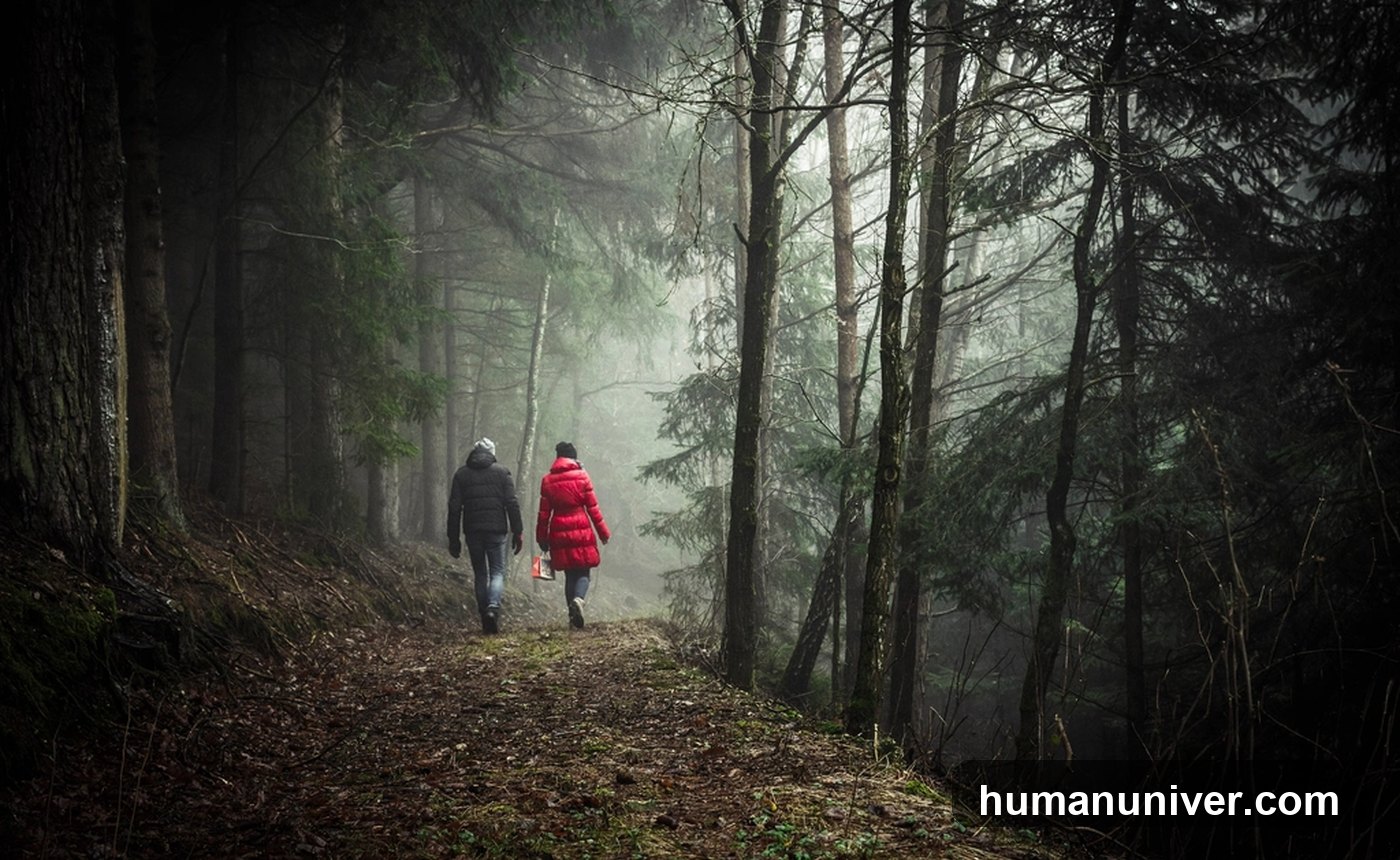
Why nature helps attention
Feeds and notifications train quick switching. Natural environments move at a slower pace, which can help attention feel less hunted.
The practical test is simple: does this habit give energy back to the day, or does it quietly spend more attention? If it gives energy back, keep it small and repeatable. If it spends attention, reduce the friction around stopping.
A human routine is allowed to be imperfect. The goal is not to look optimized. The goal is to make ordinary days less reactive and easier to recover from.
Small nature counts
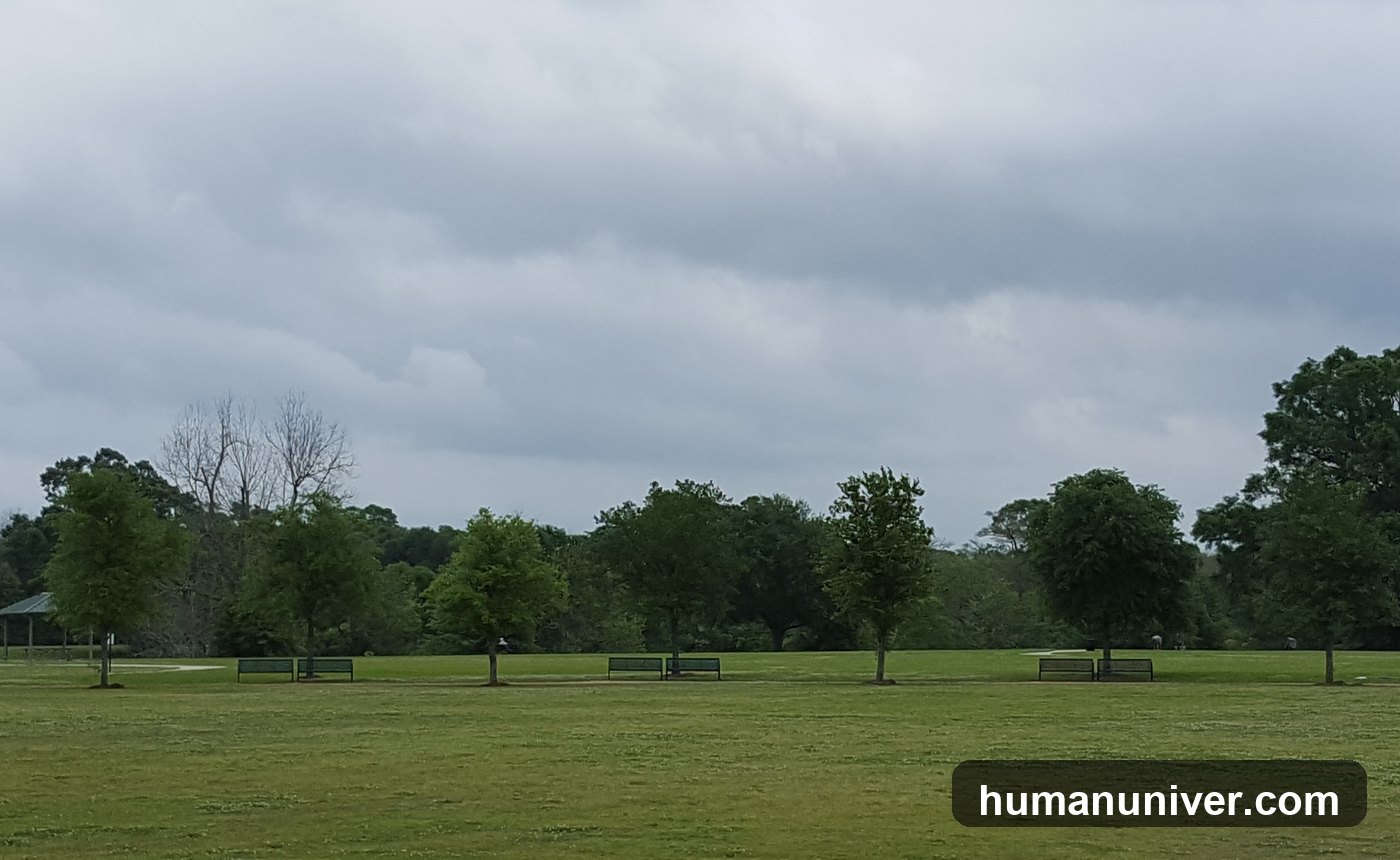
A park, tree-lined street, balcony, garden, or phone-free walk can be useful. The point is repeatable contact, not a dramatic wilderness trip.
The practical test is simple: does this habit give energy back to the day, or does it quietly spend more attention? If it gives energy back, keep it small and repeatable. If it spends attention, reduce the friction around stopping.
A human routine is allowed to be imperfect. The goal is not to look optimized. The goal is to make ordinary days less reactive and easier to recover from.
Pair nature with technology boundaries
A walk with constant checking is still useful, but a walk with the phone silenced gives the mind a cleaner break.
The practical test is simple: does this habit give energy back to the day, or does it quietly spend more attention? If it gives energy back, keep it small and repeatable. If it spends attention, reduce the friction around stopping.
A human routine is allowed to be imperfect. The goal is not to look optimized. The goal is to make ordinary days less reactive and easier to recover from.
Make it practical
Choose one route, one time of day, and one small rule. For example: after lunch, walk ten minutes without opening a feed.
The practical test is simple: does this habit give energy back to the day, or does it quietly spend more attention? If it gives energy back, keep it small and repeatable. If it spends attention, reduce the friction around stopping.
A human routine is allowed to be imperfect. The goal is not to look optimized. The goal is to make ordinary days less reactive and easier to recover from.
| Area | Signal | Better next step |
|---|---|---|
| Ten-minute walk | Low energy days | Breaks feed loop |
| Park lunch | Workday reset | Screen-free pause |
| Garden | Home routine | Calm input |
| Phone-free route | Attention recovery | Less checking |
Refresh framework
Name the pattern
Remove one trigger
Add low-input rest
Keep what helped
Internal reading path
- Use Social Media Burnout when feeds are the main drain.
- Use A 7-Day Digital Reset Plan when the whole phone routine needs boundaries.
- Use AI Health Advice Online before relying on chatbots for health-related questions.
FAQ
Do I need a forest?
No. Everyday green spaces can still support healthier routines.
Can digital nature help?
Sometimes, but outdoor exposure adds movement, daylight, and environmental change.
Final takeaway
One more human note: if a recommendation makes your life more complicated, shrink it. A ten-minute action repeated for weeks usually beats an ambitious system that only works on a perfect Monday.
For technology-related wellbeing, the strongest habit is often a boundary that protects ordinary life: meals without feeds, sleep without alerts, and a few minutes each day where attention is not being measured.
One more human note: if a recommendation makes your life more complicated, shrink it. A ten-minute action repeated for weeks usually beats an ambitious system that only works on a perfect Monday.
For technology-related wellbeing, the strongest habit is often a boundary that protects ordinary life: meals without feeds, sleep without alerts, and a few minutes each day where attention is not being measured.
One more human note: if a recommendation makes your life more complicated, shrink it. A ten-minute action repeated for weeks usually beats an ambitious system that only works on a perfect Monday.
For technology-related wellbeing, the strongest habit is often a boundary that protects ordinary life: meals without feeds, sleep without alerts, and a few minutes each day where attention is not being measured.
One more human note: if a recommendation makes your life more complicated, shrink it. A ten-minute action repeated for weeks usually beats an ambitious system that only works on a perfect Monday.
For technology-related wellbeing, the strongest habit is often a boundary that protects ordinary life: meals without feeds, sleep without alerts, and a few minutes each day where attention is not being measured.
One more human note: if a recommendation makes your life more complicated, shrink it. A ten-minute action repeated for weeks usually beats an ambitious system that only works on a perfect Monday.
For technology-related wellbeing, the strongest habit is often a boundary that protects ordinary life: meals without feeds, sleep without alerts, and a few minutes each day where attention is not being measured.
One more human note: if a recommendation makes your life more complicated, shrink it. A ten-minute action repeated for weeks usually beats an ambitious system that only works on a perfect Monday.
For technology-related wellbeing, the strongest habit is often a boundary that protects ordinary life: meals without feeds, sleep without alerts, and a few minutes each day where attention is not being measured.
One more human note: if a recommendation makes your life more complicated, shrink it. A ten-minute action repeated for weeks usually beats an ambitious system that only works on a perfect Monday.
For technology-related wellbeing, the strongest habit is often a boundary that protects ordinary life: meals without feeds, sleep without alerts, and a few minutes each day where attention is not being measured.
One more human note: if a recommendation makes your life more complicated, shrink it. A ten-minute action repeated for weeks usually beats an ambitious system that only works on a perfect Monday.
For technology-related wellbeing, the strongest habit is often a boundary that protects ordinary life: meals without feeds, sleep without alerts, and a few minutes each day where attention is not being measured.
One more human note: if a recommendation makes your life more complicated, shrink it. A ten-minute action repeated for weeks usually beats an ambitious system that only works on a perfect Monday.
For technology-related wellbeing, the strongest habit is often a boundary that protects ordinary life: meals without feeds, sleep without alerts, and a few minutes each day where attention is not being measured.
One more human note: if a recommendation makes your life more complicated, shrink it. A ten-minute action repeated for weeks usually beats an ambitious system that only works on a perfect Monday.
For technology-related wellbeing, the strongest habit is often a boundary that protects ordinary life: meals without feeds, sleep without alerts, and a few minutes each day where attention is not being measured.
One more human note: if a recommendation makes your life more complicated, shrink it. A ten-minute action repeated for weeks usually beats an ambitious system that only works on a perfect Monday.
For technology-related wellbeing, the strongest habit is often a boundary that protects ordinary life: meals without feeds, sleep without alerts, and a few minutes each day where attention is not being measured.
One more human note: if a recommendation makes your life more complicated, shrink it. A ten-minute action repeated for weeks usually beats an ambitious system that only works on a perfect Monday.
For technology-related wellbeing, the strongest habit is often a boundary that protects ordinary life: meals without feeds, sleep without alerts, and a few minutes each day where attention is not being measured.
One more human note: if a recommendation makes your life more complicated, shrink it. A ten-minute action repeated for weeks usually beats an ambitious system that only works on a perfect Monday.
For technology-related wellbeing, the strongest habit is often a boundary that protects ordinary life: meals without feeds, sleep without alerts, and a few minutes each day where attention is not being measured.
One more human note: if a recommendation makes your life more complicated, shrink it. A ten-minute action repeated for weeks usually beats an ambitious system that only works on a perfect Monday.
For technology-related wellbeing, the strongest habit is often a boundary that protects ordinary life: meals without feeds, sleep without alerts, and a few minutes each day where attention is not being measured.
One more human note: if a recommendation makes your life more complicated, shrink it. A ten-minute action repeated for weeks usually beats an ambitious system that only works on a perfect Monday.
For technology-related wellbeing, the strongest habit is often a boundary that protects ordinary life: meals without feeds, sleep without alerts, and a few minutes each day where attention is not being measured.
One more human note: if a recommendation makes your life more complicated, shrink it. A ten-minute action repeated for weeks usually beats an ambitious system that only works on a perfect Monday.
For technology-related wellbeing, the strongest habit is often a boundary that protects ordinary life: meals without feeds, sleep without alerts, and a few minutes each day where attention is not being measured.
One more human note: if a recommendation makes your life more complicated, shrink it. A ten-minute action repeated for weeks usually beats an ambitious system that only works on a perfect Monday.
For technology-related wellbeing, the strongest habit is often a boundary that protects ordinary life: meals without feeds, sleep without alerts, and a few minutes each day where attention is not being measured.
One more human note: if a recommendation makes your life more complicated, shrink it. A ten-minute action repeated for weeks usually beats an ambitious system that only works on a perfect Monday.
For technology-related wellbeing, the strongest habit is often a boundary that protects ordinary life: meals without feeds, sleep without alerts, and a few minutes each day where attention is not being measured.
One more human note: if a recommendation makes your life more complicated, shrink it. A ten-minute action repeated for weeks usually beats an ambitious system that only works on a perfect Monday.
For technology-related wellbeing, the strongest habit is often a boundary that protects ordinary life: meals without feeds, sleep without alerts, and a few minutes each day where attention is not being measured.
One more human note: if a recommendation makes your life more complicated, shrink it. A ten-minute action repeated for weeks usually beats an ambitious system that only works on a perfect Monday.
For technology-related wellbeing, the strongest habit is often a boundary that protects ordinary life: meals without feeds, sleep without alerts, and a few minutes each day where attention is not being measured.
One more human note: if a recommendation makes your life more complicated, shrink it. A ten-minute action repeated for weeks usually beats an ambitious system that only works on a perfect Monday.
For technology-related wellbeing, the strongest habit is often a boundary that protects ordinary life: meals without feeds, sleep without alerts, and a few minutes each day where attention is not being measured.
One more human note: if a recommendation makes your life more complicated, shrink it. A ten-minute action repeated for weeks usually beats an ambitious system that only works on a perfect Monday.
For technology-related wellbeing, the strongest habit is often a boundary that protects ordinary life: meals without feeds, sleep without alerts, and a few minutes each day where attention is not being measured.
One more human note: if a recommendation makes your life more complicated, shrink it. A ten-minute action repeated for weeks usually beats an ambitious system that only works on a perfect Monday.
For technology-related wellbeing, the strongest habit is often a boundary that protects ordinary life: meals without feeds, sleep without alerts, and a few minutes each day where attention is not being measured.
One more human note: if a recommendation makes your life more complicated, shrink it. A ten-minute action repeated for weeks usually beats an ambitious system that only works on a perfect Monday.
For technology-related wellbeing, the strongest habit is often a boundary that protects ordinary life: meals without feeds, sleep without alerts, and a few minutes each day where attention is not being measured.
One more human note: if a recommendation makes your life more complicated, shrink it. A ten-minute action repeated for weeks usually beats an ambitious system that only works on a perfect Monday.
For technology-related wellbeing, the strongest habit is often a boundary that protects ordinary life: meals without feeds, sleep without alerts, and a few minutes each day where attention is not being measured.
One more human note: if a recommendation makes your life more complicated, shrink it. A ten-minute action repeated for weeks usually beats an ambitious system that only works on a perfect Monday.
For technology-related wellbeing, the strongest habit is often a boundary that protects ordinary life: meals without feeds, sleep without alerts, and a few minutes each day where attention is not being measured.
One more human note: if a recommendation makes your life more complicated, shrink it. A ten-minute action repeated for weeks usually beats an ambitious system that only works on a perfect Monday.
For technology-related wellbeing, the strongest habit is often a boundary that protects ordinary life: meals without feeds, sleep without alerts, and a few minutes each day where attention is not being measured.
One more human note: if a recommendation makes your life more complicated, shrink it. A ten-minute action repeated for weeks usually beats an ambitious system that only works on a perfect Monday.
For technology-related wellbeing, the strongest habit is often a boundary that protects ordinary life: meals without feeds, sleep without alerts, and a few minutes each day where attention is not being measured.
One more human note: if a recommendation makes your life more complicated, shrink it. A ten-minute action repeated for weeks usually beats an ambitious system that only works on a perfect Monday.
For technology-related wellbeing, the strongest habit is often a boundary that protects ordinary life: meals without feeds, sleep without alerts, and a few minutes each day where attention is not being measured.
The best refresh is not just a newer date. It is clearer advice, stronger boundaries, better sources, and a more useful path for the reader.