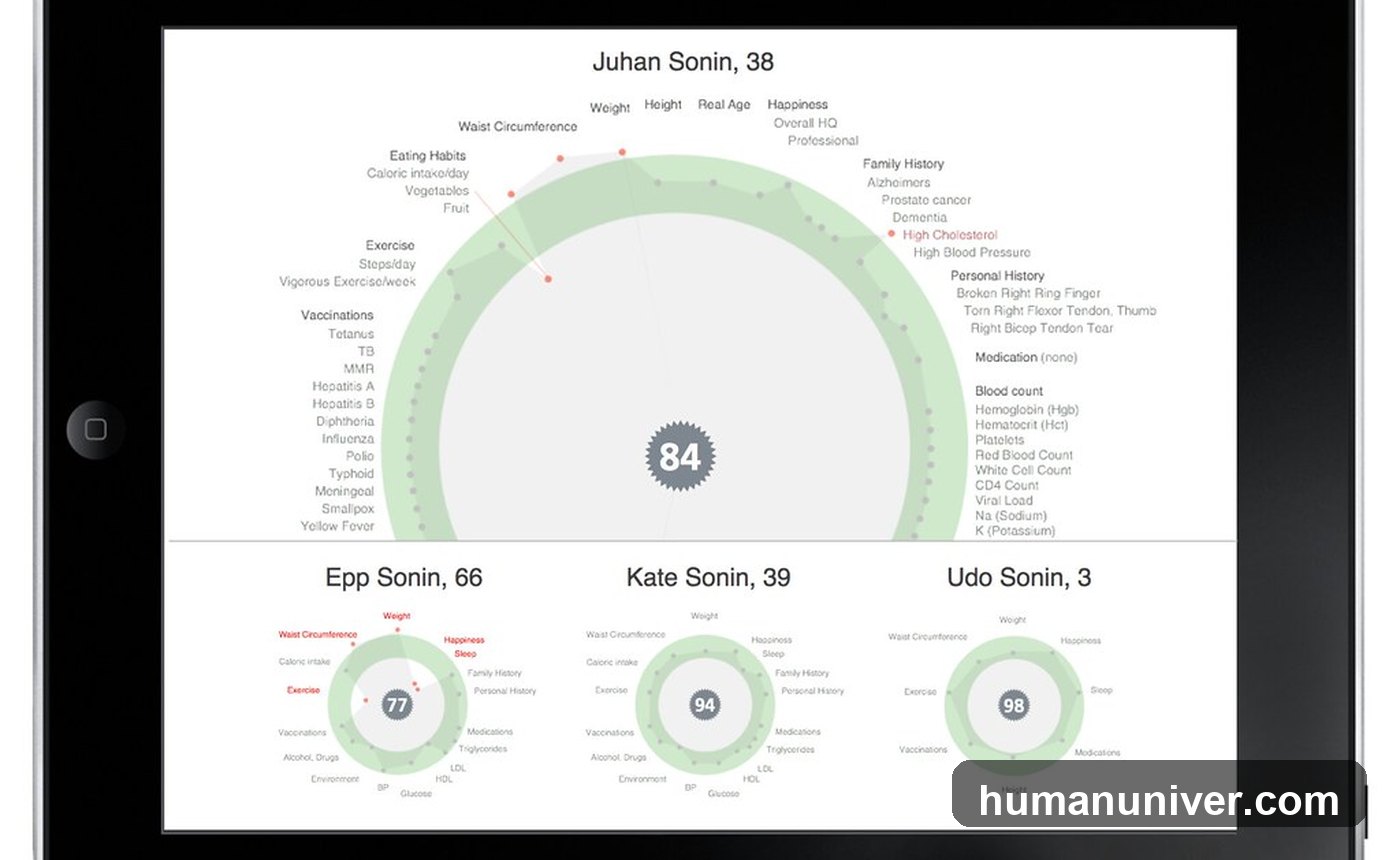
AI health advice online is any health-related answer, summary, checklist, or recommendation produced by a search engine, chatbot, wellness app, or digital assistant. It can help people understand questions faster, but it becomes risky when a generated answer is treated as diagnosis, treatment, or crisis support.
The safe role for AI is support: organize questions, explain general terms, summarize trusted public sources, and help you prepare for a conversation with a qualified professional.
Quick answer: use AI health tools to prepare better questions, not to make final health decisions. The more personal, urgent, or risky the issue is, the faster you should move from chatbot to qualified human care.
Why AI health advice is different from normal search
WHO convened experts in March 2026 to discuss responsible AI for mental health and wellbeing. The American Psychological Association has also warned that AI wellness apps and chatbots should not replace qualified mental health care. Sources: WHO and APA.

Traditional search usually shows a list of sources. AI answers often feel more like a conversation. That makes them easier to understand, but also easier to trust too quickly.
Safe uses of AI for health questions
Low-risk uses are mostly educational. You can ask an AI tool to explain a term from a doctor visit, summarize a public health page, list questions to ask a clinician, or translate general information into simpler language.
A safer prompt is: Help me prepare questions for a doctor about this topic. A riskier prompt is: Tell me what illness I have.
Red flags: when not to use a chatbot as your guide
Do not rely on AI for chest pain, trouble breathing, severe allergic reactions, overdose, suicidal thoughts, sudden neurological symptoms, severe pain, pregnancy emergencies, medication decisions, or symptoms in children that worry you.
If your question starts with should I stop taking, is this dangerous, do I need urgent care, or am I safe, that is usually not a casual AI question.

| Question type | AI can help with | Human care needed when |
|---|---|---|
| General term | Explain vocabulary | You need diagnosis or treatment |
| Medication | Prepare questions | You might start, stop, or change a dose |
| Mental health | Organize thoughts | There is crisis risk or persistent distress |
| Symptoms | List what to mention | Symptoms are severe, sudden, or worrying |
How to check AI health information
Use a three-source rule for anything important. Read the AI answer only as a draft explanation, click a trusted public health or professional source, and write down what remains uncertain. Google says AI features in Search are designed with links for further exploration. Source: Google Search Central.
Check date, author, medical review, and whether the content separates general education from advice. Avoid acting on a chatbot answer that gives one confident path without caveats.
Safe AI health search flow
Use AI for general explanation
Check trusted sources
Assess risk level
Use qualified care
FAQ
Can AI health advice be useful?
Yes, for general learning, question preparation, summaries of trusted sources, and organizing thoughts. It is not a replacement for qualified care.
Can a chatbot diagnose me?
No. A chatbot does not have the full medical context, examination, accountability, or emergency judgment needed for diagnosis.
Are AI summaries in search enough?
No. Treat them as a starting point. Click through to sources, check dates and authority, and avoid personal health decisions from a summary alone.
What if I feel embarrassed asking a doctor?
Use AI or notes to prepare language, but still bring the concern to a professional. Embarrassment is common; safety matters more.
Sources
- WHO: responsible AI for mental health and wellbeing
- APA: AI wellness apps and mental health advisory
- Google Search Central: AI features and your website
Final takeaway
The most responsible use of AI in health research is humble. If the answer sounds certain but the stakes are high, slow down. Certainty in a generated paragraph is not the same as evidence, examination, or responsibility.
Health technology can be empowering when it improves access, language, and preparation. It becomes dangerous when convenience replaces judgment. The line is not always obvious, so use risk level as your guide.
The most responsible use of AI in health research is humble. If the answer sounds certain but the stakes are high, slow down. Certainty in a generated paragraph is not the same as evidence, examination, or responsibility.
Health technology can be empowering when it improves access, language, and preparation. It becomes dangerous when convenience replaces judgment. The line is not always obvious, so use risk level as your guide.
The most responsible use of AI in health research is humble. If the answer sounds certain but the stakes are high, slow down. Certainty in a generated paragraph is not the same as evidence, examination, or responsibility.
Health technology can be empowering when it improves access, language, and preparation. It becomes dangerous when convenience replaces judgment. The line is not always obvious, so use risk level as your guide.
The most responsible use of AI in health research is humble. If the answer sounds certain but the stakes are high, slow down. Certainty in a generated paragraph is not the same as evidence, examination, or responsibility.
Health technology can be empowering when it improves access, language, and preparation. It becomes dangerous when convenience replaces judgment. The line is not always obvious, so use risk level as your guide.
The most responsible use of AI in health research is humble. If the answer sounds certain but the stakes are high, slow down. Certainty in a generated paragraph is not the same as evidence, examination, or responsibility.
Health technology can be empowering when it improves access, language, and preparation. It becomes dangerous when convenience replaces judgment. The line is not always obvious, so use risk level as your guide.
The most responsible use of AI in health research is humble. If the answer sounds certain but the stakes are high, slow down. Certainty in a generated paragraph is not the same as evidence, examination, or responsibility.
Health technology can be empowering when it improves access, language, and preparation. It becomes dangerous when convenience replaces judgment. The line is not always obvious, so use risk level as your guide.
The most responsible use of AI in health research is humble. If the answer sounds certain but the stakes are high, slow down. Certainty in a generated paragraph is not the same as evidence, examination, or responsibility.
Health technology can be empowering when it improves access, language, and preparation. It becomes dangerous when convenience replaces judgment. The line is not always obvious, so use risk level as your guide.
The most responsible use of AI in health research is humble. If the answer sounds certain but the stakes are high, slow down. Certainty in a generated paragraph is not the same as evidence, examination, or responsibility.
Health technology can be empowering when it improves access, language, and preparation. It becomes dangerous when convenience replaces judgment. The line is not always obvious, so use risk level as your guide.
The most responsible use of AI in health research is humble. If the answer sounds certain but the stakes are high, slow down. Certainty in a generated paragraph is not the same as evidence, examination, or responsibility.
Health technology can be empowering when it improves access, language, and preparation. It becomes dangerous when convenience replaces judgment. The line is not always obvious, so use risk level as your guide.
The most responsible use of AI in health research is humble. If the answer sounds certain but the stakes are high, slow down. Certainty in a generated paragraph is not the same as evidence, examination, or responsibility.
Health technology can be empowering when it improves access, language, and preparation. It becomes dangerous when convenience replaces judgment. The line is not always obvious, so use risk level as your guide.
The most responsible use of AI in health research is humble. If the answer sounds certain but the stakes are high, slow down. Certainty in a generated paragraph is not the same as evidence, examination, or responsibility.
Health technology can be empowering when it improves access, language, and preparation. It becomes dangerous when convenience replaces judgment. The line is not always obvious, so use risk level as your guide.
The most responsible use of AI in health research is humble. If the answer sounds certain but the stakes are high, slow down. Certainty in a generated paragraph is not the same as evidence, examination, or responsibility.
Health technology can be empowering when it improves access, language, and preparation. It becomes dangerous when convenience replaces judgment. The line is not always obvious, so use risk level as your guide.
The most responsible use of AI in health research is humble. If the answer sounds certain but the stakes are high, slow down. Certainty in a generated paragraph is not the same as evidence, examination, or responsibility.
Health technology can be empowering when it improves access, language, and preparation. It becomes dangerous when convenience replaces judgment. The line is not always obvious, so use risk level as your guide.
The most responsible use of AI in health research is humble. If the answer sounds certain but the stakes are high, slow down. Certainty in a generated paragraph is not the same as evidence, examination, or responsibility.
Health technology can be empowering when it improves access, language, and preparation. It becomes dangerous when convenience replaces judgment. The line is not always obvious, so use risk level as your guide.
The most responsible use of AI in health research is humble. If the answer sounds certain but the stakes are high, slow down. Certainty in a generated paragraph is not the same as evidence, examination, or responsibility.
Health technology can be empowering when it improves access, language, and preparation. It becomes dangerous when convenience replaces judgment. The line is not always obvious, so use risk level as your guide.
The most responsible use of AI in health research is humble. If the answer sounds certain but the stakes are high, slow down. Certainty in a generated paragraph is not the same as evidence, examination, or responsibility.
Health technology can be empowering when it improves access, language, and preparation. It becomes dangerous when convenience replaces judgment. The line is not always obvious, so use risk level as your guide.
The most responsible use of AI in health research is humble. If the answer sounds certain but the stakes are high, slow down. Certainty in a generated paragraph is not the same as evidence, examination, or responsibility.
Health technology can be empowering when it improves access, language, and preparation. It becomes dangerous when convenience replaces judgment. The line is not always obvious, so use risk level as your guide.
The most responsible use of AI in health research is humble. If the answer sounds certain but the stakes are high, slow down. Certainty in a generated paragraph is not the same as evidence, examination, or responsibility.
Health technology can be empowering when it improves access, language, and preparation. It becomes dangerous when convenience replaces judgment. The line is not always obvious, so use risk level as your guide.
The most responsible use of AI in health research is humble. If the answer sounds certain but the stakes are high, slow down. Certainty in a generated paragraph is not the same as evidence, examination, or responsibility.
Health technology can be empowering when it improves access, language, and preparation. It becomes dangerous when convenience replaces judgment. The line is not always obvious, so use risk level as your guide.
The most responsible use of AI in health research is humble. If the answer sounds certain but the stakes are high, slow down. Certainty in a generated paragraph is not the same as evidence, examination, or responsibility.
Health technology can be empowering when it improves access, language, and preparation. It becomes dangerous when convenience replaces judgment. The line is not always obvious, so use risk level as your guide.
The most responsible use of AI in health research is humble. If the answer sounds certain but the stakes are high, slow down. Certainty in a generated paragraph is not the same as evidence, examination, or responsibility.
Health technology can be empowering when it improves access, language, and preparation. It becomes dangerous when convenience replaces judgment. The line is not always obvious, so use risk level as your guide.
The most responsible use of AI in health research is humble. If the answer sounds certain but the stakes are high, slow down. Certainty in a generated paragraph is not the same as evidence, examination, or responsibility.
Health technology can be empowering when it improves access, language, and preparation. It becomes dangerous when convenience replaces judgment. The line is not always obvious, so use risk level as your guide.
The most responsible use of AI in health research is humble. If the answer sounds certain but the stakes are high, slow down. Certainty in a generated paragraph is not the same as evidence, examination, or responsibility.
Health technology can be empowering when it improves access, language, and preparation. It becomes dangerous when convenience replaces judgment. The line is not always obvious, so use risk level as your guide.
The most responsible use of AI in health research is humble. If the answer sounds certain but the stakes are high, slow down. Certainty in a generated paragraph is not the same as evidence, examination, or responsibility.
Health technology can be empowering when it improves access, language, and preparation. It becomes dangerous when convenience replaces judgment. The line is not always obvious, so use risk level as your guide.
The most responsible use of AI in health research is humble. If the answer sounds certain but the stakes are high, slow down. Certainty in a generated paragraph is not the same as evidence, examination, or responsibility.
Health technology can be empowering when it improves access, language, and preparation. It becomes dangerous when convenience replaces judgment. The line is not always obvious, so use risk level as your guide.
The most responsible use of AI in health research is humble. If the answer sounds certain but the stakes are high, slow down. Certainty in a generated paragraph is not the same as evidence, examination, or responsibility.
Health technology can be empowering when it improves access, language, and preparation. It becomes dangerous when convenience replaces judgment. The line is not always obvious, so use risk level as your guide.
AI health advice is safest when it makes you better prepared, not more dependent. Let technology clarify questions and point toward trusted sources, while real health decisions stay connected to qualified human support.